
Whakanewha Regional Park:

whakanewha Regional Park
The Jewel of Waiheke Island
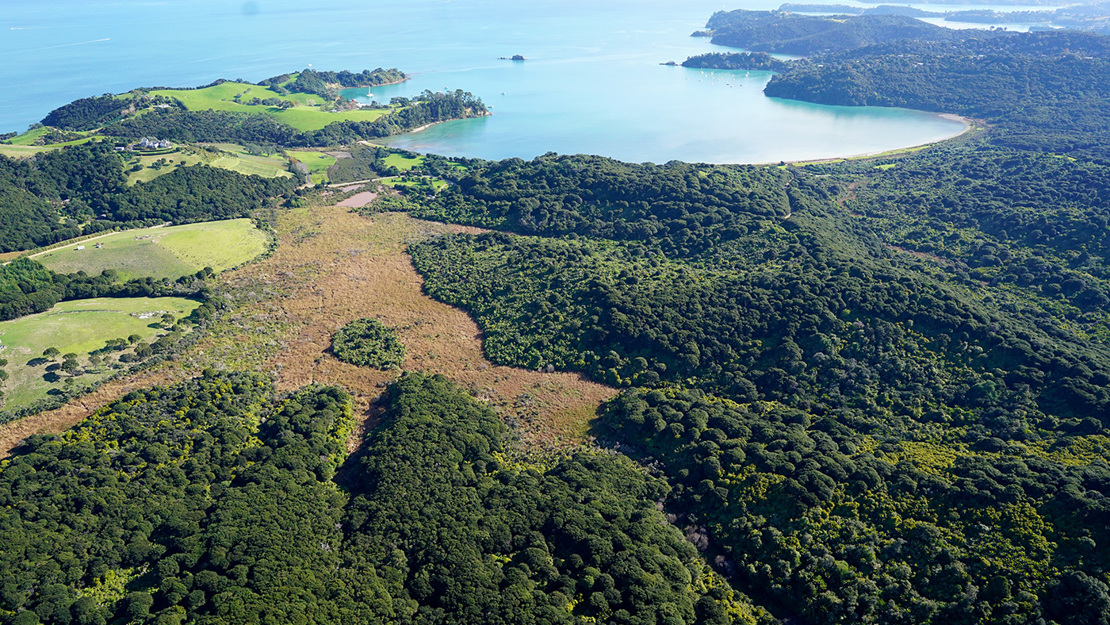
Nestled on the southern coast of Waiheke Island, Whakanewha Regional Park stands as a testament to New Zealand's commitment to preserving its natural heritage. Spanning over 270 hectares, this park is a mosaic of regenerating coastal forests, salt marshes, and tranquil inlets, offering visitors a serene escape from the bustle of urban life.
A Tapestry of Biodiversity
The park's diverse ecosystems are home to a rich array of flora and fauna. Towering pōhutukawa trees draped in epiphytes line the coast, while nīkau palms and kānuka trees sway gracefully in the breeze. The undergrowth teems with native birdlife, including the melodious tūī, the fluttering pīwakawaka (fantail), and the stately kererū (wood pigeon).
One of the park's most significant features is its expansive wetland area, a haven for rare and endangered bird species. Here, visitors might catch glimpses of the elusive bittern, the secretive banded rail, and the endemic New Zealand dotterel, which nests along the park's shorelin
Trails Through Time and Nature
Whakanewha offers a network of well-maintained walking tracks that cater to all levels of fitness and interest. Among the most popular is the Nikau Track, a gentle loop that meanders through lush nīkau groves and regenerating bush. This trail leads to the Cascades Walk, where a series of gentle waterfalls cascade over moss-covered rocks, creating a tranquil setting for reflection and relaxation.
For those seeking a more immersive experience, the Tarata Track and Kōwhai Track offer longer routes that traverse diverse terrains, from dense forests to open ridgelines with panoramic views of the Hauraki Gulf. These trails not only showcase the park's natural beauty but also its historical significance, with remnants of ancient pā sites and shell middens indicating long-standing Māori occupation.
Cultural Significance and Conservation
The name "Whakanewha" translates to "to shade the eyes from the setting sun," reflecting the park's tranquil ambiance. Historically, the area was significant to Ngāti Pāoa and other iwi, serving as a site for settlement and cultivation. In the mid-19th century, the land underwent European settlement and farming, but efforts in the late 20th century led to its restoration and designation as a regional park in 2007.
Today, Whakanewha stands as a symbol of successful conservation, with ongoing efforts to protect its unique ecosystems. The park's status as a possum-free zone has allowed native flora and fauna to thrive, offering visitors a glimpse into New Zealand's natural heritage.
 Planning Your Visit
Whakanewha Regional Park is accessible via Gordons Road, with the Sculpture Car Park serving as a primary entry point. For those relying on public transport, the Rocky Bay bus stops near Omiha Memorial Hall, from where a scenic walk leads into the park.
Visitors are encouraged to respect the park's delicate ecosystems by staying on marked trails and observing guidelines, especially during the dotterel nesting season. Dogs are prohibited in certain areas to protect wildlife, so it's essential to check signage and park regulations.
To enhance your experience at Whakanewha Regional Park, here are some useful resources:
 Walking Track Maps
Whakanewha Regional Park Map (PDF): A comprehensive map detailing all walking tracks, facilities, and key points of interest within the park. You can download it directly from Auckland Council's website:
 Download the Whakanewha Regional Park Map
Te Ara Hura Walk Waiheke Network Map: If you're interested in exploring beyond Whakanewha, this map covers the extensive network of trails across Waiheke Island, including those that intersect with the park.
Download the Te Ara Hura Walk Waiheke Network MapPoukaraka Flats: A Family-Friendly Retreat
 Camping at Poukaraka Flats
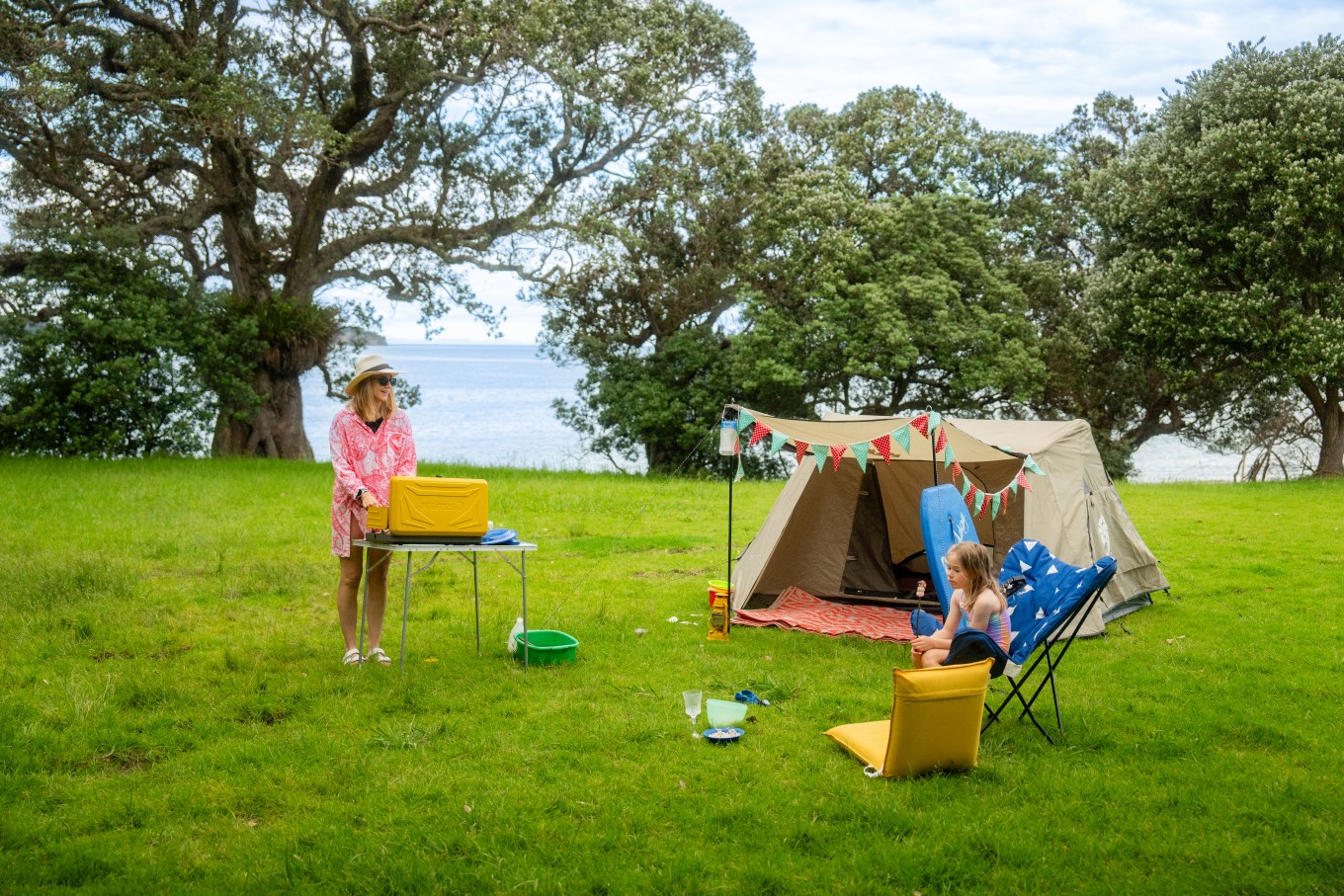
Set within Whakanewha Regional Park, Poukaraka Flats is a wide, grassy clearing beside the bay, ideal for beach days, picnics, and outdoor fun. Just beyond the trees, you’ll find Poukaraka Flats Campground — a peaceful spot that blends back-to-nature simplicity with the comforts of well-kept facilities.
Surrounded by regenerating coastal forest and serenaded by native birds like kererū, tūī, and pīwakawaka, the campground is a popular choice for families and nature lovers alike. Its sheltered, child-friendly beach is perfect for swimming or relaxing, while nearby walking tracks offer plenty of opportunities to explore. Whether you’re visiting for a night under the stars or a slow weekend getaway, Poukaraka Flats is the ideal base to experience the quieter, wilder side of Waiheke Island.
 Location & Access
Address: 75 Gordons Road, Omiha, Waiheke Island
Access: Via Gordons Road, with the campground entrance at the bottom of the hill on the right.
Gate Hours: 6am–9pm (daylight saving), 6am–7pm (standard time)
Pedestrian Access: 24-hour
 Facilities & Amenities
Capacity: Up to 80 people
Stay Limit: Maximum of 7 nights
Check-in/Check-out: 11am
Amenities:
Flush toilets
Cold showers
Potable water
Free gas BBQ
No power supply
No rubbish bins – pack in, pack out policy
 Self-Contained Vehicle Parking
A designated area for NZS5465 certified self-contained campervans or motorhomes is available:
Capacity: 5 vehicles
Stay Limit: 1 night
Fee: $17.50 per vehicle
Note: No water or toilet facilities provided; vehicles must be fully self-contained.
 Fees
Fees
Adults: $17.50 per night
Children (5–17 years): $7.00 per night
Infants (under 5 years): Free
 Wildlife & Activities
The campground is ideal for:
Birdwatching: Home to species like banded rail, spotless crake, and New Zealand dotterel.
Walking & Hiking: Access to trails such as the Nikau Track and Cascades Walk.
Beach Activities: Swimming and picnicking at the nearby child-friendly beach.
 Booking Information
Advance Booking: Required; can be made up to 6 months in advance.
Group Bookings:
17 Dec – 31 Jan: Maximum of 10 people
1 Feb – 16 Dec: Maximum of 40 people
Booking Platform: Auckland Council's official website.
 Rules & Regulations
No Pets: Dogs and other animals are prohibited.
No Fires: Open fires are not allowed.
Rubbish: No disposal facilities; visitors must take all rubbish and recycling with them.
Cleanliness: Campsites must be kept clean and tidy during and after your stay.
Booking Information: To reserve a campsite, visit Auckland Council's official booking page:
Book Poukaraka Flats Campground
Please note that amenities at the campground include flush toilets, cold water showers, and a communal gas BBQ. Pets and open fires are prohibited to protect the local wildlife and environment. Additionally, there are no rubbish bins, so visitors are expected to take their waste with them.
For more detailed information or to make a booking, please visit the Auckland Council's official page for Poukaraka Flats Campground.

Camping at Poukaraka