
48 hours on Waiheke Island - where to go, what to do
Where to go, what to do
Beautiful, creative and quietly confident, Waiheke Island sits just a short ferry ride from Auckland yet feels worlds away. Long known for its art, food and wine, the island continues to draw people who value great landscapes, thoughtful living and time well spent.
“Art, food and wine — in any order you like,” someone tells us soon after we arrive on Waiheke, a 35-minute ferry journey from the centre of New Zealand’s largest city. It still feels like an accurate summary.
Stretching roughly 20 kilometres from end to end, Waiheke has evolved over the years without losing its soul. Artists, winemakers, growers and creatives were among the first to settle here, followed by chefs, entrepreneurs and visitors seeking something slower and more meaningful than the mainland rush. While property prices have risen, the island has resisted becoming overdeveloped, retaining its laid-back character and strong sense of community.
More than 9,000 people now call Waiheke home, drawn by the same things that first brought people here decades ago: beautiful views, accessible beaches, good food, excellent wine and a lifestyle that prioritises balance over busyness.
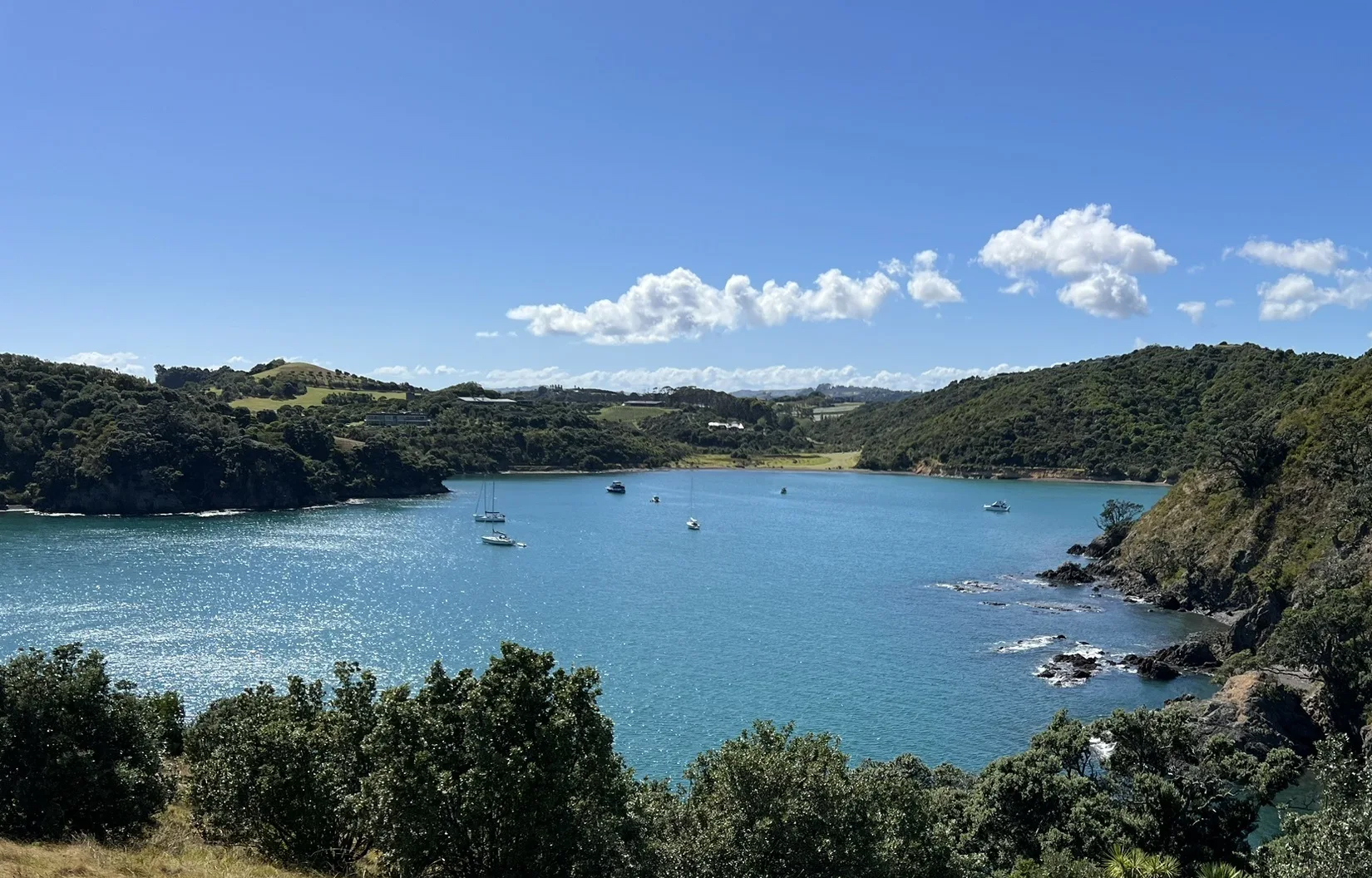
The island’s Māori name, Motu Wai Heke, is often translated as “island of trickling waters”, a reference to the natural springs that once flowed through the land. Today, what stands out just as much is the island’s coastline. Waiheke is a place of coves and peninsulas, where each rise in the road reveals another unexpected sweep of turquoise water. Exploring the island means constantly stopping to take in the view — and rarely being disappointed.
In many ways, Waiheke feels like a distilled version of New Zealand itself: rich in natural beauty, proud of its food and wine culture, and shaped by people who value warmth, creativity and connection. The climate helps, too. Summers are long and sunny, making them ideal for beach days and vineyard lunches, while winters remain relatively mild, keeping the island inviting year-round.
Waiheke isn’t about spectacle or excess. It’s about atmosphere — and once you arrive, it’s easy to see why people come for a day and end up staying much longer.
Day One
5pm: settle in, kick back
There are so many views on Waiheke you’d be hard-pressed to find a room without a good one. This is the moment to slow down: open a bottle, step outside, or simply breathe out and let the island do its thing.
Among the wide mix of hotels, apartments and holiday homes, accommodation here ranges from barefoot-casual to quietly luxurious. If you like to be in the heart of things, The Oyster Inn in Oneroa delivers a polished, beachy vibe with excellent food and an easy stroll to the sand. For something more secluded but equally special, Treehut Hideaway, managed by Be My Guest Waiheke, offers a private, design-led escape tucked into native bush — ideal for travellers who value peace, views and a strong connection to nature.
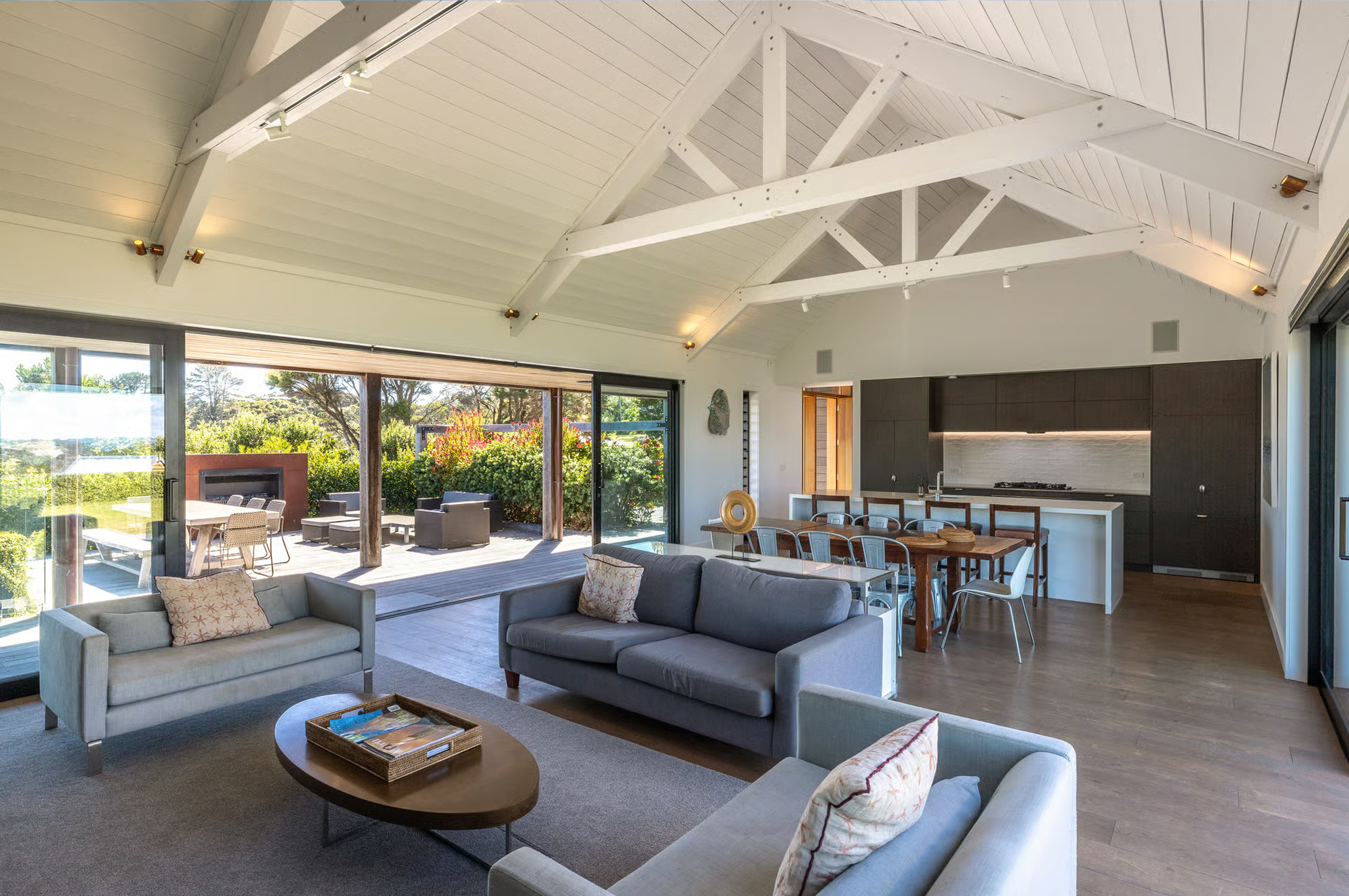
We’re staying at Pacific Escape Oneroa, a beautifully appointed holiday home also managed by Be My Guest Waiheke, set just above Oneroa with sweeping views and space to truly unwind. With light-filled interiors and a pool perfect for late-afternoon swims, it feels like the kind of place you arrive at and instantly relax into.
It’s the sort of stay that blurs the line between luxury and comfort — thoughtfully designed, effortless to live in, and perfectly positioned for both village dinners and quiet mornings overlooking the bay. As the sun dips and the day softens, Waiheke does what it does best: reminds you there’s nowhere else you need to be.
7pm: Dinner at Cable Bay Vineyards
Whatever you do on Waiheke, try to time at least one evening so you’re dining on the island’s north-western side as the sun sinks behind Auckland’s skyline. Cable Bay Vineyards is perfectly positioned for it, with sweeping views across the Hauraki Gulf and two dining spaces — the Dining Room and the Verandah — opening out onto a grassy slope dotted with beanbags and front-row sunset seats.
Tonight, we settle into the Dining Room and opt for Cable Bay’s shared menu, designed to be enjoyed communally and at a relaxed pace. Dishes arrive to the table in stages, showcasing seasonal produce and bold, confident flavours, with an emphasis on sharing and conversation rather than formality.
It’s the kind of dinner that stretches effortlessly into the evening — plates passed, glasses refilled, and long pauses to take in the view as the light fades and the city begins to glow. Refined but unfussy, generous without being heavy, it’s an experience that feels distinctly Waiheke: great food, beautiful surroundings and no sense of hurry.
Day Two
8.30am: Massage at Koukoulee
We start the day slowly, with an on-site visit to Koukoulee Wellness & Yoga Studio, a calm, light-filled space dedicated to movement, mindfulness and restoration. Set among Waiheke’s natural surroundings, Koukoulee offers yoga and wellness sessions designed to help visitors reset and reconnect — the perfect antidote to travel fatigue.
After days of exploring, the gentle pace and grounding atmosphere feel exactly right. It’s a chance to stretch, breathe and ease into the day before heading back out onto the island.
10.00am: A guided day with Ananda Tours
From wellness, we move into a day of art, nature and local stories with Ananda Tours on their Waiheke Naturally Tour. Designed for travellers seeking a slower pace and a deeper connection with Waiheke, the tour blends creativity, landscape and food into a beautifully balanced island experience.
One of the first stops is the studio and gallery of Gabriella Lewenz at Church Bay. Born in Greece to American parents, Gabriella lived in Pakistan and the United States before settling on Waiheke Island in 1997 in search of a simpler life. Her light-filled studio smells faintly of pine and oil paint, and her abstract, oil-based works reflect both emotion and place. Gabriella speaks about her practice, her connection to the island, and her plans for immersive art experiences that allow visitors to stay on-site while commissioning a painting — turning a visit into a deeply personal keepsake.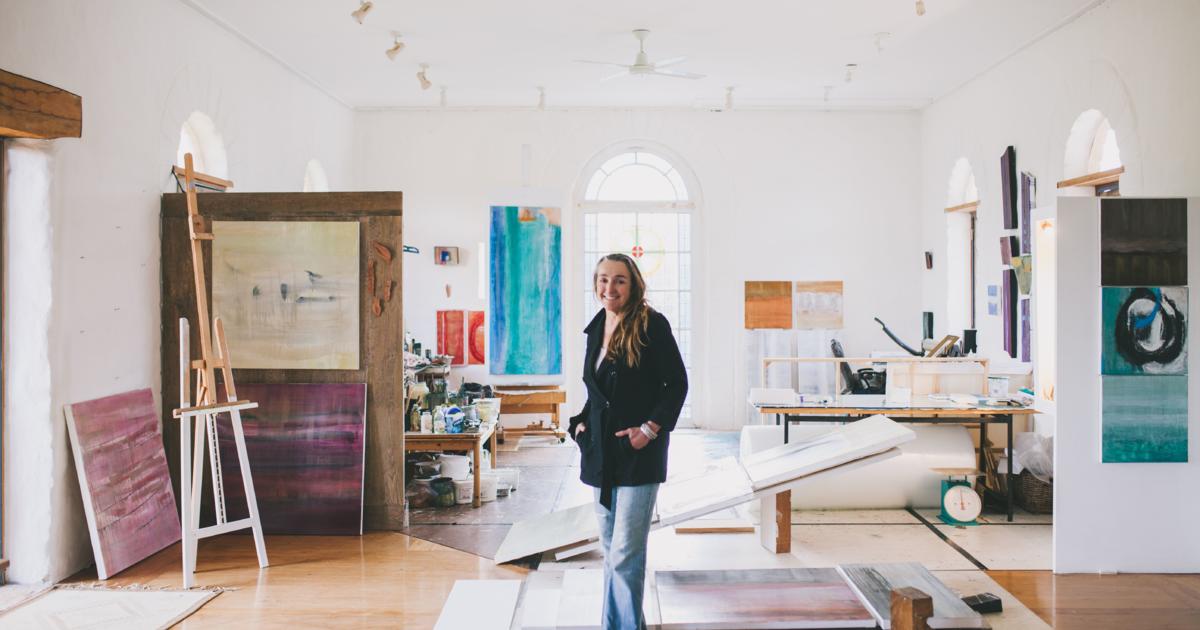
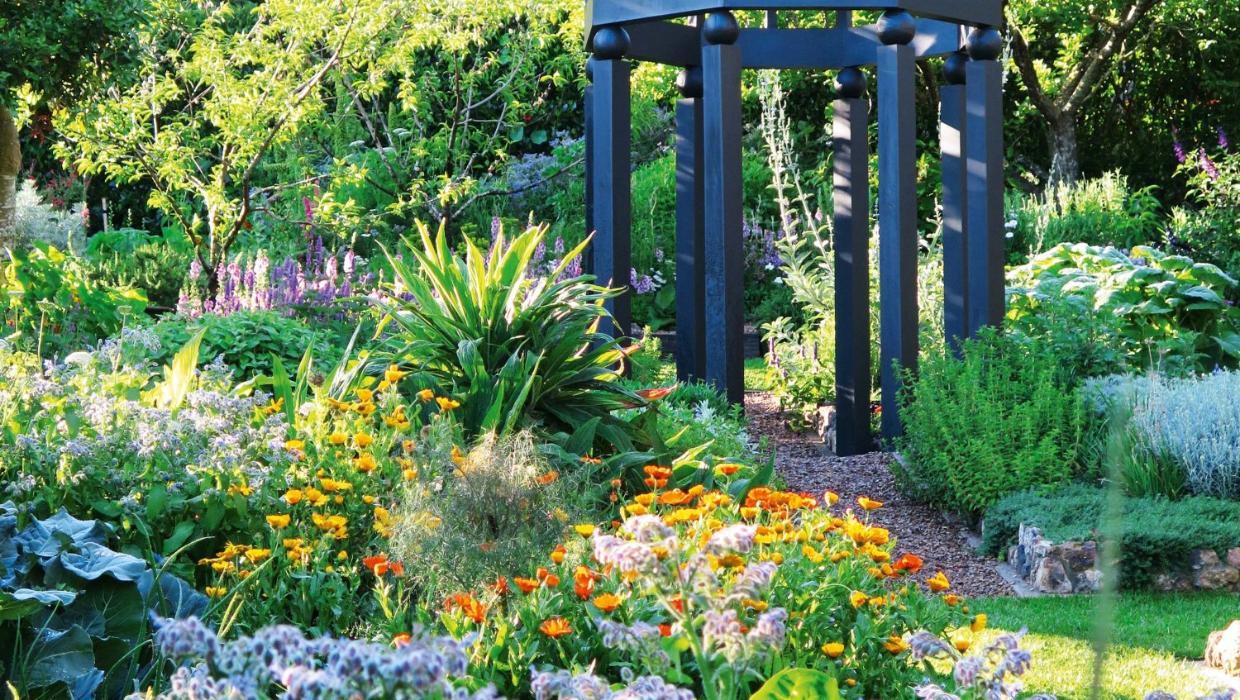
The tour then continues to Sacred Blessings Sanctuary Gardens, a privately owned haven featuring native trees, manicured rose gardens, organic vegetable beds and striking Paul Dibble sculptures. Wandering through the gardens feels meditative — an inspiring place to reconnect with nature.
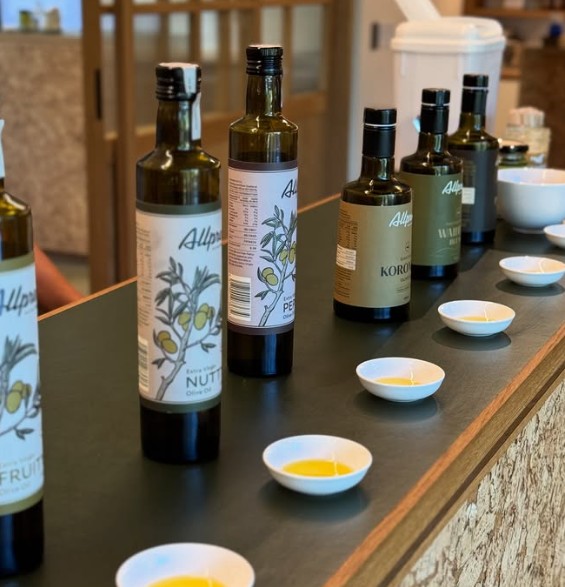
From here, we head to the award-winning Allpress Olive Grove for a guided olive oil tasting. We learn how extra virgin olive oil is made, what makes Waiheke’s growing conditions unique, and sample oils that showcase the island’s agricultural excellence.
1.00pm: Lunch at The Heke
By early afternoon, it’s time for lunch at The Heke, a relaxed local favourite known for its fresh, seasonal menu and easy island atmosphere. A wide selection of dishes is available, along with optional tastings of local craft beer, gin, whisky or non-alcoholic beverages (own expense).
It’s the kind of place where lunch naturally lingers, with no rush to move on.
3.00pm: Onetangi Beach
The day winds down in Onetangi, home to Waiheke’s longest beach. Stretching for 1.87 kilometres and lined with old pōhutukawa trees, it’s ideal for a gentle beach stroll. Some wander barefoot along the shoreline, while others settle in with an ice cream or cold drink, simply taking in the view.
At the end of the day, guests can choose to return to the ferry terminal or be dropped in Oneroa Village, rounding out a day shaped by wellness, creativity and slow island living.
3.40pm: Oneroa Village
At the end of the tour, we’re dropped in Oneroa Village, where the afternoon continues at a slower, more personal pace. Our first stop is the Waiheke Community Art Gallery, a light-filled space showcasing contemporary exhibitions by local and visiting artists. It’s a fitting follow-on to the day’s creative theme and offers another window into the island’s artistic soul.
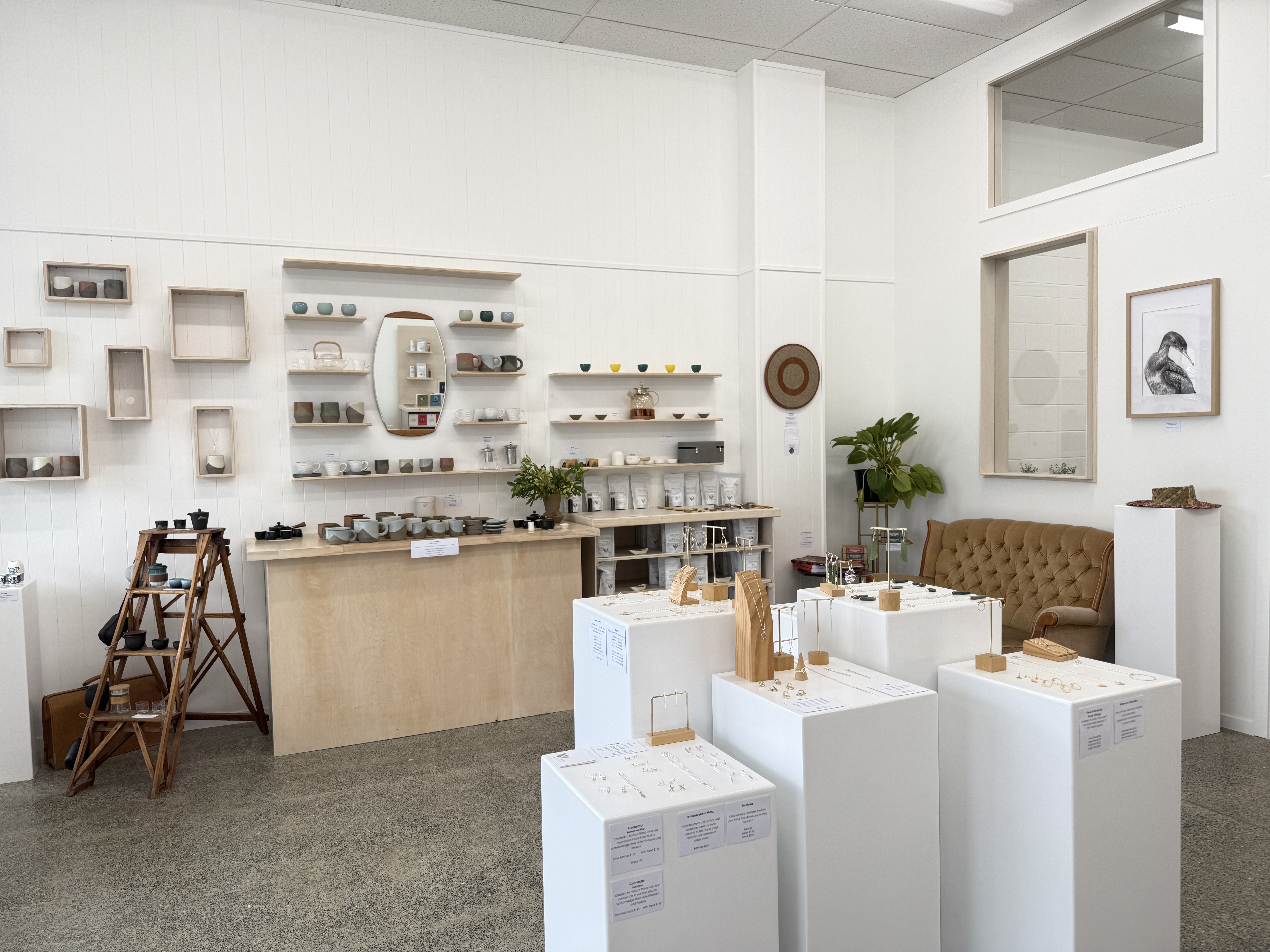
From there, we wander into the studio of local jeweller Timmy Smith, where the day takes on a deeply personal note. Using sand we collected earlier from Onetangi Beach, we choose pieces of jewellery to be custom made — a tangible reminder of the places we’ve walked, the beach we wandered and the day itself.
It’s a meaningful way to finish: not just with photos and memories, but with something crafted from Waiheke itself.
5.30pm: A swim before dinner
By late afternoon, we head back to Pacific Escape Oneroa, our holiday home managed by Be My Guest Waiheke, for a refreshing swim before heading out to dinner. There’s nothing quite like a late-day dip to reset after a full day of exploring.
If your Waiheke stay doesn’t come with a pool, it’s easy to swap this for a beach swim instead — whether it’s Oneroa, Onetangi, Palm Beach or a quiet bay you’ve discovered along the way. On Waiheke, every beach feels like the right choice for a swim.
7pm: Dinner at The Shed at Te Motu
Dinner tonight is at The Shed at Te Motu, a vineyard tucked down a quiet country road near Stonyridge — long regarded by locals as one of the island’s most consistently good places to eat.
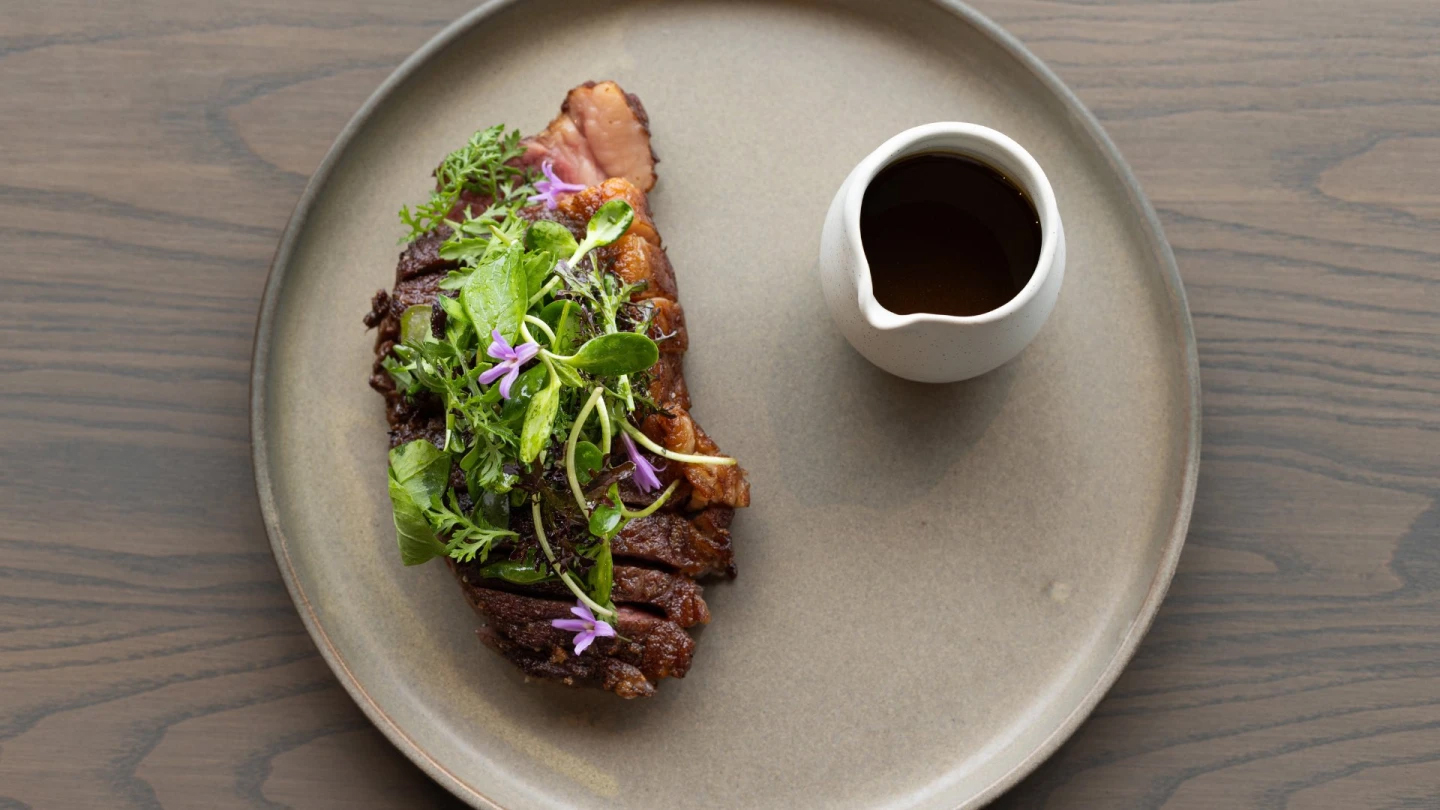
Set beside the vegetable garden, the space is modern-rustic and relaxed, with an emphasis on seasonal produce and honest cooking. The summer menu is designed for sharing, with dishes that showcase carefully sourced meat, fresh vegetables and bold, uncomplicated flavours.
Plates arrive steadily, encouraging conversation and lingering. This is food that doesn’t try too hard — confident, generous and deeply satisfying — the kind of meal that reminds you why Waiheke’s dining scene punches well above its size.
As the evening settles in and the garden quietens, it’s easy to understand why this is a favourite. Simple, thoughtful cooking in a beautiful setting — exactly what a Waiheke dinner should be.
Day three
11am: ziplining
First off, treat yourself to a sleep-in or a sunrise swim. Feeling the bliss? Now it’s time to fire up again.
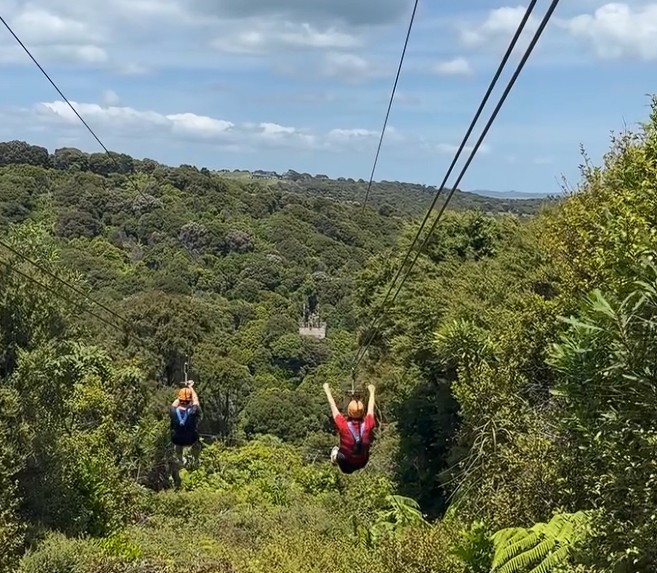
New Zealand is known for its love of high-adrenaline activities. Waiheke has EcoZip Adventures: three flying foxes built over vines and remnant native forest on a hillside in Onetangi. This is bungee-lite – you’d have to be petrified of heights to be fearful here. But it’s fun. We strap on harnesses and helmets and off we zip.
The best part is the walk back up the hill along a gently rising boardwalk. Along the way, we learn about the island’s natural history. Before humans arrived, the only mammals on Waiheke were two tiny species of bat, which meant birds sat at the top of the food chain. When Captain Cook visited New Zealand in the 18th century, the dawn chorus was said to last half the night — so loud he reportedly anchored further offshore to escape the noise.
Polynesian settlers later introduced pigs and rats, followed by Europeans who brought a host of predators that dramatically reduced native birdlife. Today, conservation efforts across the island are slowly helping nature recover.
The forest walk becomes a lesson in attention — noticing plants, textures and towering trees along the way. At one point, we pause to hug a particularly magnificent tree, grounding ourselves before heading back down.
 3pm: Explore the eastern shores
By mid-afternoon, if you’re anything like us, Waiheke has well and truly worked its spell — and you’ll want to see more of it. The island’s eastern side feels quieter and less developed, with winding roads, hidden bays and wide coastal views.
If you’re driving, allow a couple of hours to loop around this side of the island. The distances aren’t large, but the narrow roads and frequent photo stops slow things down in the best possible way. We travel clockwise, passing Cactus Bay and Owhiti Bay, an area of early Māori settlement, and continue on toward Orapiu. We skip the wartime tunnels at Stony Batter this time, but do stop at Man O’ War Bay Vineyard for a late-afternoon pause.
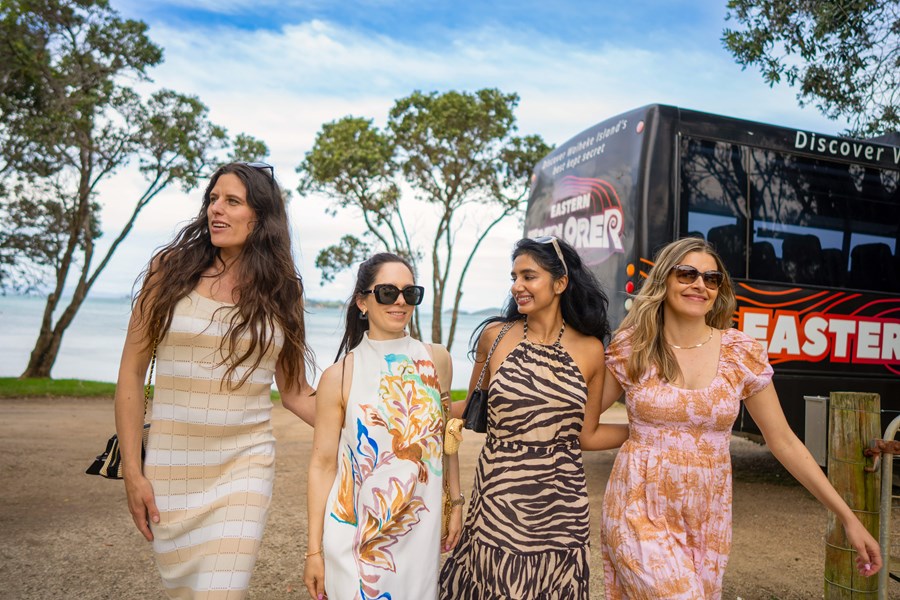
If you’re not driving, this part of the island is also easy to explore using the Fullers360 Eastern Explorer bus — a hop-on, hop-off service that runs between the ferry terminal, Onetangi and the island’s eastern bays. It’s a relaxed way to see this side of Waiheke without worrying about parking, and it pairs nicely with short walks, beach stops or a vineyard visit along the route.
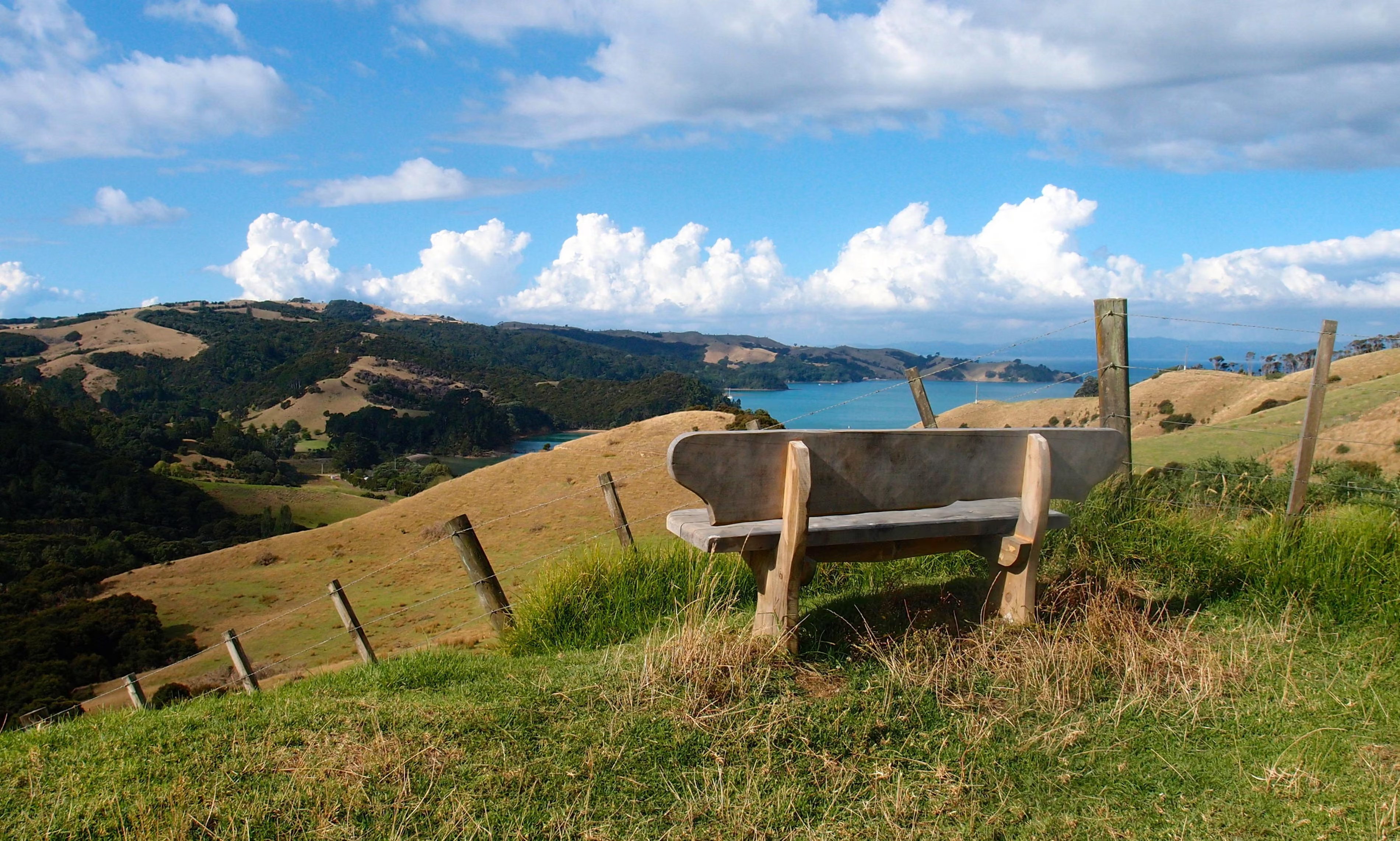
As the road curves south, we pull over more than once to take in the view — each cove seemingly more beautiful than the last. Many of the lookouts are furnished with rough-hewn wooden benches, scattered generously across the island, offering a place to sit and linger even in the most unexpected locations. It feels characteristically Waiheke: thoughtful, unpretentious and quietly charming. There’s probably a coffee-table book in it — The Benches of Waiheke.
Eventually, it’s time to head back toward the ferry. On the return trip to Auckland, as the island slips slowly out of view, we find ourselves already planning the next visit — and, inevitably, browsing the local property pages.